
Help Build a Cultural and Spiritual Legacy
By contributing to the Pashupati Buddha Mandir of NC, you’re not only supporting a space for worship and community—you’re preserving Nepali heritage, fostering unity, and providing a lasting foundation for generations to come. Join us in creating a sanctuary that celebrates our roots and enriches our future.
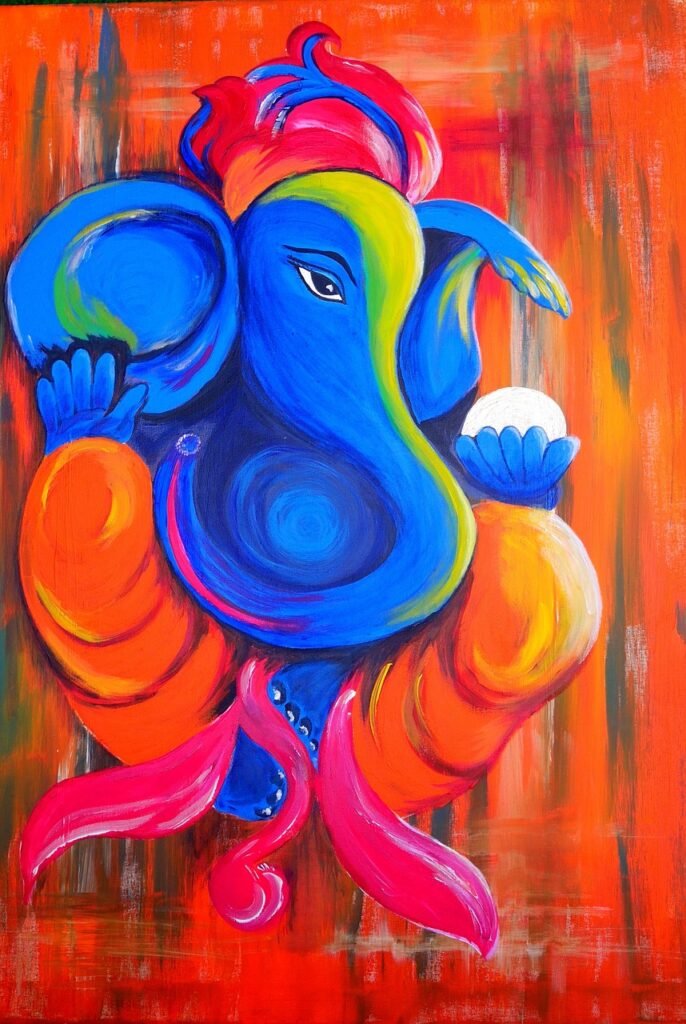
Why Mandir?
“As the Nepalese diaspora in the RTP area continues to gather steam with no rate of slowdown, the need for our own community center has become increasingly urgent. For years, there has been a debate whether to establish this center within NCNC or as a separate entity or whether to include religious aspects or focus solely on community needs. While there are several Hindu Temples and Buddha Stupa in the area, each is managed by different groups and they cannot cater to our specific requirements for a venue, a hall, a classroom space, and other facilities geared towards serving us”
Frequently Asked Questions
Learn more about why Mandir?
Why not Community Center within NCNC?
While a community center is essential, financing such a project without the inclusion of a religious attachment such as Mandir would have been challenging. The Mandir plays a significant role in attracting donations and support from those who see it as both a cultural and spiritual necessity. As a result, the only viable option was to create a separate religious entity dedicated to building and managing the Mandir and community center. This decision wasn’t made lightly; it has involved years of discussion and deliberation. While many community members initially felt uneasy about forming a new charitable organization separate from NCNC, the majority eventually recognized the necessity of this structure. This formation allows both entities to operate within their legal and functional boundaries while still working toward the common goal of serving the Nepali community in North Carolina. Ultimately, there is no single “correct” way to structure such organizations. Still, given the circumstances, creating a separate religious entity was the most practical and effective solution.
Are NCNC and PBM the Same or Separate?
The answer is both yes and no. Legally, NCNC and PBM are separate entities, however, emotionally and practically, they are closely linked in a common mission- to serve the Nepali diaspora in North Carolina. It was important to find a balance between risks and responsibilities, many organizations establish distinct entities for different purposes under the same ownership. In this model, the Ownership Entity handles land and property, while the Operational Entity manages daily operations, programs, and services. This separation streamlines management of operational risks and responsibilities and ownership. The relationship between NCNC and PBM is formalized through a detailed MoU and the PBM bylaws. The MoU outlines their collaboration, resource sharing, and shared vision, while the bylaws define their joint efforts. Together, these documents ensure that both entities work harmoniously to create a community center that benefits the Nepalese diaspora, serving as a vibrant hub for cultural, spiritual, and social activities.
Why we need Nepali Mandir?
We need a Nepali Mandir in North Carolina for these reasons: Cultural and Spiritual Significance: Pashupatinath is a revered Hindu temple, and Nepal is the birthplace of Lord Buddha. Establishing a Mandir honoring both allows the Nepali community to preserve and celebrate their cultural and religious heritage. Community Support: The area has a significant population of Hindus and Buddhists, not just from the Nepali community but also from other South Asian backgrounds. This Mandir would provide a unifying space for worship, cultural events, and spiritual practices, fostering a sense of community. The financial support and sustainability: A charitable organization largely depends on membership, donations and contributions from its members. Regular giving and effective fundraising are vital for maintaining operations, supporting programs, and achieving long-term objectives. According to the Hoover Institution, “religious individuals are significantly more generous in their support compared to secular individuals. On average, religious people donate $2,210 annually, while secular individuals donate $642. Additionally, religious people volunteer an average of 12 times per year, compared to 5.8 times for secular people. Despite representing only 33% of the population, religious individuals account for 52% of donations and 45% of volunteer hours. In contrast, secular individuals, who make up 26% of the population, contribute only 13% of donations and 17% of volunteer hours.” This data highlights the critical role that engaged and committed members play in sustaining charitable organizations. Broader Appeal: The Mandir could attract support from a wider audience, including those with similar religious beliefs or an interest in Nepali culture, helping ensure its sustainability. Cultural Legacy: The Mandir would promote Nepal’s rich cultural legacy, serving as a point of cultural exchange and allowing people from different backgrounds to learn about and appreciate Nepali traditions.
Explore membership
Why Mandir?
As the Nepalese diaspora in the RTP area continues to gather steam with no rate of slowdown, the need for our own community center has become increasingly urgent. For years, there has been a debate whether to establish this center within NCNC or as a separate entity or whether to include religious aspects or focus solely on community needs. While there are several Hindu Temples and Buddha Stupa in the area, each is managed by different groups and they cannot cater to our specific requirements for a venue, a hall, a classroom space, and other facilities geared towards serving us. We have long felt left behind when it came to securing venues for our events, often depending on the availability and goodwill of other community center managements, which frequently prioritized their own programs. With the growing population, this need to address has become more evident. The need for our own space has been studied and researched rather than on emotions or sentiments. Our decision to establish a new organization was guided by a well-organized and inclusive process, aiming to create a community center that not only addresses our needs but also features artifacts of Shree Pashupatinath Mandir and Buddha Stupa. While this new entity is legally separate from NCNC, it remains closely connected to their Bylaws and a Memorandum of Understanding (MOU), which outlines the collaboration and shared objectives. PBM Bylaws and MOU are available for review, feedback, and comments.
Why not Mandir within NCNC?
The decision not to operate the Mandir and community center under NCNC stemmed from a few critical considerations. First, the scope and mission of NCNC are limited and primarily focused on non-religious activities. Additionally, incorporating the Mandir within NCNC was not feasible due to its status as a non-religious organization. NCNC’s bylaws explicitly prohibit involvement in religious activities, which would have conflicted with the purpose and function of the Mandir.
What is New PBM (Mandir)?
Purpose: PBM is established for religious and charitable purposes, with the goal of constructing an embodiment of the Pashupatinath Temple, a Buddha Stupa (Chaitya), and a Community Center. Facilities: The Community center will provide office and event space for the Nepal Center of North Carolina, Inc. (NCNC) to conduct its programs and activities. Although legally distinct, this new organization is committed to building on the values and mission of NCNC while addressing the religious and spiritual needs that NCNC cannot fulfill.
How can you Join/Help/Support?
With the establishment of the charitable entity and its Bylaws on August 26, 2024, you can support PBM by selecting a membership category that best suits you from the options listed in the Bylaws. By becoming a member, you are eligible to serve as a Director, as outlined in the Bylaws. If you have the time and desire to contribute further, you can also join our management team and serve as a Board Director, participating a direct role in the leadership and development of our organization. Membership Classes: Trustees: Diamond – $50K, Platinum – $25K, and Gold – $10K Members: Silver – $5K, Founding Life – $2.5K, Life – $1K, Yearly – $500, Honorary – $0 Board of Directors (BoD): The BoD will consist of 15 directors, with 2 seats reserved for NCNC designees. The terms will be staggered over 3 years. Board of Trustees (BoT): The BoT will include 9 members: 6 Donor Trustees and 3 Elected Trustees, with staggered 3-year terms. Term Limits: Both BoD and BoT members may serve for two consecutive terms, after which a one-term gap is required.
Who Are the Board of Directors, and How Are They Chosen?
Currently, there is no officially selected or elected Board of Directors (BoD) for PBM. Membership is open to the public, and we cordially extend our invite to individuals to join as members and participate in the interim BoD. Members have the opportunity to self-nominate for Director Position and contribute their expertise or interests to various committees or areas. Additionally, members interested in leading the BoD can also step into that role. The interim BoD will conduct elections for both the BoD and Board of Trustees (BoT) once membership reaches 100 members.
Establishing the Mandir as a separate entity, but why?
The Nepal Center of North Carolina (NCNC) and Pashupatinath Mandir & Nepali Community Center also know as Pashupati Buddha Mandir of NC (PBM) are partner organizations, united by a shared goal of establishing a community center to serve the Nepali diaspora in North Carolina. This collaboration reflects their commitment to creating a space that fosters cultural preservation, spiritual growth, and community engagement for Nepali immigrants and their descendants. Together, NCNC and PBM work towards building a vibrant hub that will support the social, cultural, and religious needs of the Nepali community in the region.
Preserving Religious Integrity
Risk Diversification
The Mandir as a Cultural and Spiritual Hub
Address
7990 NC Highway 751
Durham, NC 27713
Call Us
+1-910-286-8188
Email Us
info@pbmnc.org